A meal prepared by a local cook, laid out on a table at Los Chonchos

Food & meals

A private kitchen, and five other ways to eat here.

There is no restaurant, no shop and no room service at Los Chonchos. There is a kitchen of your own in every bungalow, a village with two restaurants ten minutes away by boat, and a cook who will come to you.

Self-catering, with help if you want it

Every bungalow has a full private kitchen and its own dining deck over the water. That is deliberate. Eating when you feel like it, cooking what you feel like, with nobody setting a sitting time, turns out to be a large part of why people leave here rested.

But self-catering does not mean you are on your own with it. There are five ways to eat here, and most guests use three of them in a week.

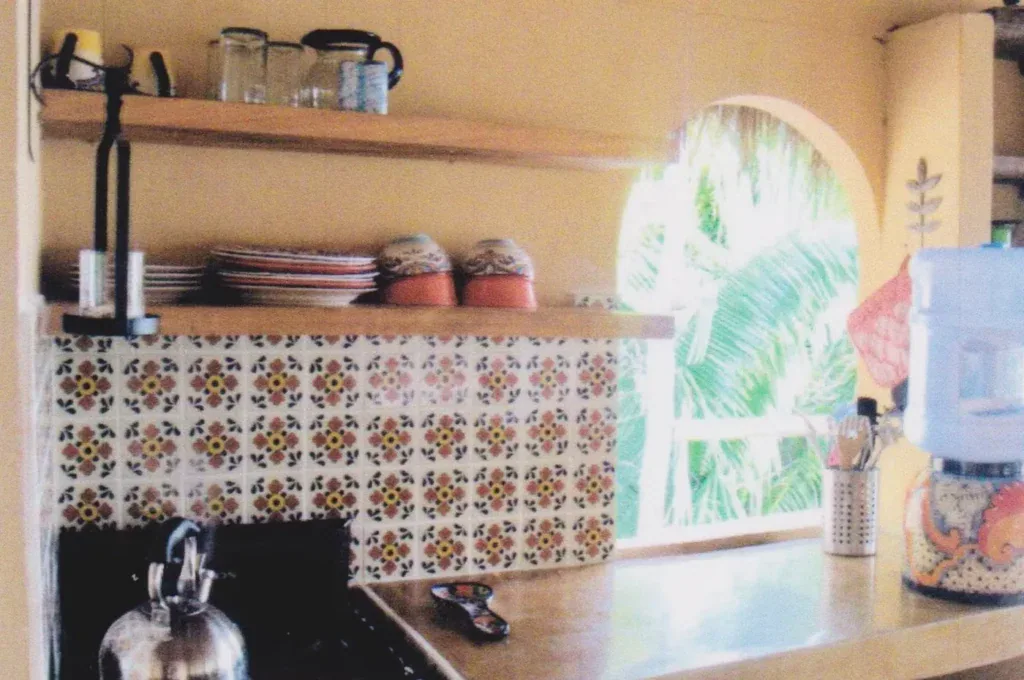
A bungalow kitchen with hand-painted tiles, open shelving and a window to the jungle

Five ways to eat

From cooking every meal to cooking none

01

Bring it with you

Most guests provision in Puerto Vallarta the night before they cross, and cook what they bring. The supermarkets there have everything. Pack perishables in a cooler or cooler bags for the hour on the water, and bring butter, oil and seasoning — the things people always forget.
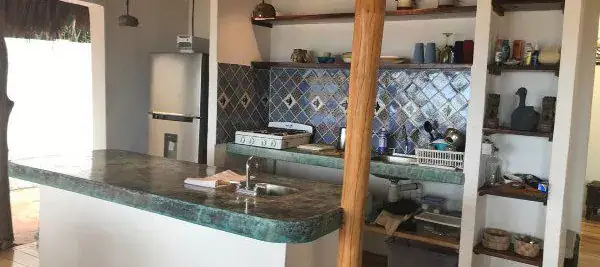
A bungalow kitchen with gas stove, timber counters and open shelving
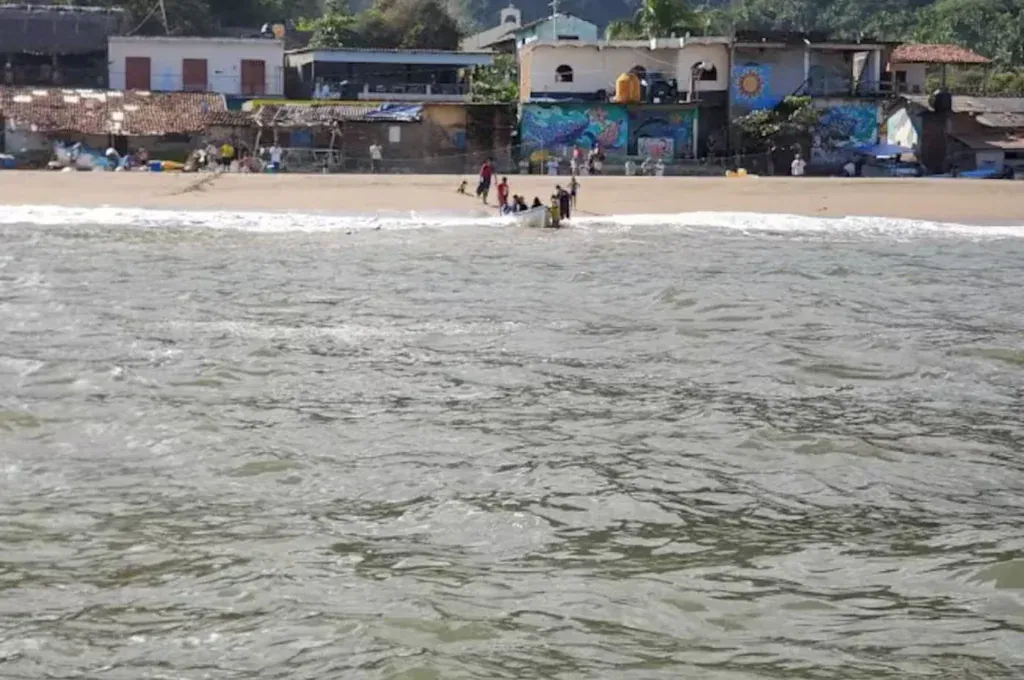
The village of Chimo seen from the water
02

Have it brought over

Chimo, the next village along, is ten minutes by boat and has two small stores. The selection is limited but real — vegetables, tortillas, ice, cold beer and some meat — and particular items are not always in stock. Fresh fish comes from the pescadería or from locals in the town rather than the stores. Anything from Chimo can come over by boat, or often be walked in by the staff the next day, and delivered to your bungalow. Running out is an inconvenience, not a crisis.

03

A cook in your kitchen

A local cook will come to your bungalow with all the ingredients and cook in your kitchen while you do nothing at all. Same day is usually fine, though more notice is better. Arrange it with the staff, with your host, or directly over WhatsApp.
A meal prepared by a local cook, laid out on the table
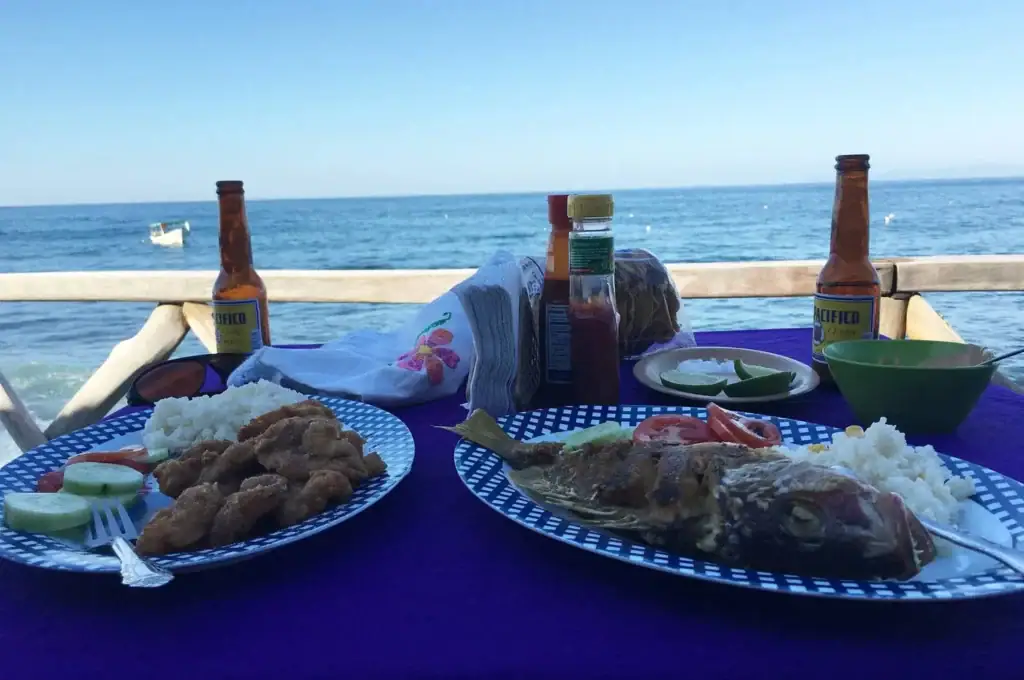
A table at a restaurant in Chimo, plates of fish and rice with the water just beyond
04

Eat in Chimo

Two restaurants. Ten minutes by boat, or walk the mountain trail — about fifty minutes each way, steep in places, and worth doing once. If you would rather cook it yourself, the stores have some meat and the pescadería or a local will sell you fresh fish.

05

Have a meal delivered

A meal cooked in Chimo can come over by boat and arrive at your deck. Your dining room, their kitchen, your schedule.
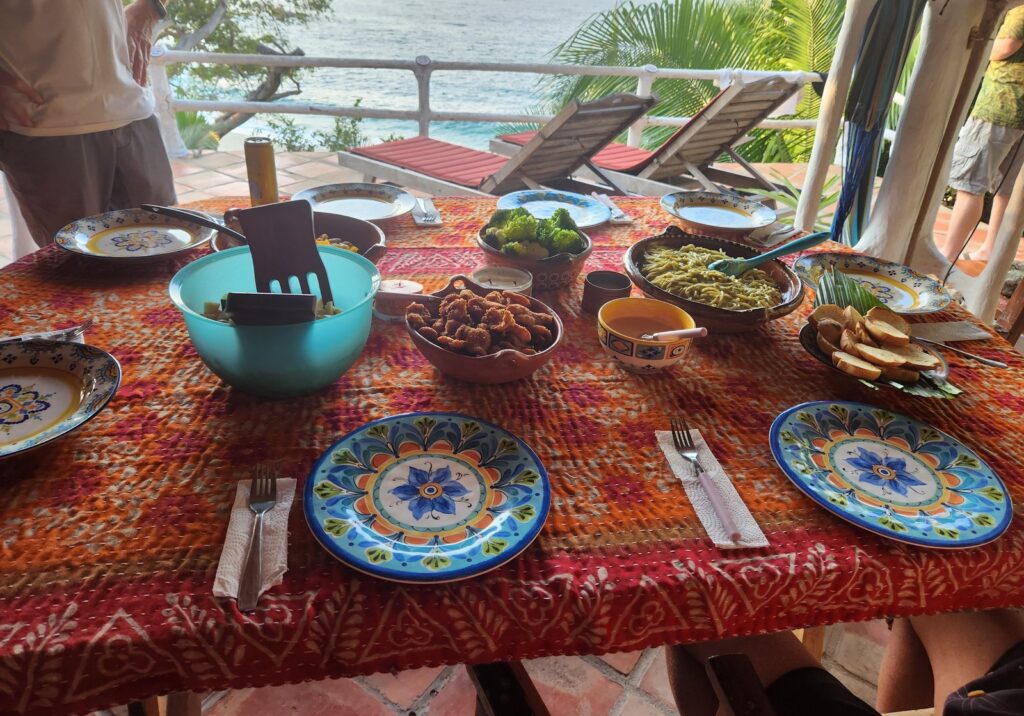
A prepared meal laid out on the dining deck of a bungalow at Los Chonchos
Josafat, one of the staff at Los Chonchos
06

Ask the staff

Forgotten the olive oil, short of a saucepan, out of matches? Ask whoever is on the property — there is often something they can lend you. It is not a shop and they are not caterers, but nobody here will let you go without a corkscrew.
Drinking water

Spring from the mountain, and a filter besides

The taps run on gravity-fed mountain spring water. It is tested clean, it is cold, and it does not stop. Plenty of guests drink it straight.

Every bungalow also has a five-gallon bottle of filtered drinking water on a dispenser, because some people would rather not, and nobody should spend their first evening wondering. It carries over between stays rather than being replaced each time, so yours may be part full when you arrive. Run it down and we will bring more.

Spring Gravity-fed, no pumps, no chemicals
5 gal Filtered drinking water on a dispenser; more on request
Hot showers Solar water heater or in-line gas, depending on the bungalow

What guests wish they had brought

Taken from the reviews, not from a template. These are the things people actually mention. And if you do forget something, ask the staff before you go without — they may have one to lend.

  • Butter, cooking oil and seasoning
  • Coffee — every bungalow has a French press
  • A cooler or cooler bags for the crossing
  • More pesos than you think you need
  • Snacks for the days you cannot be bothered
  • Anything you are particular about

Questions about eating here

How much food should I bring? +

Everything you intend to eat, plus a margin. There are no shops at Los Chonchos. Chimo, ten minutes away by boat, has two small stores with a limited selection — vegetables, tortillas, chips, some meat — and particular items are not always in stock, so do not plan your week around them. Fresh fish comes from the pescadería or from locals in the town. Guests consistently say the thing they wished they had brought more of was butter, cooking oil and seasoning. If you do run short, ask the staff; they may have what you need.

What is actually in the kitchen? +

Every bungalow has a private kitchen of its own: gas stove, a fridge (gas or solar depending on the bungalow), a French press, pots, pans, crockery, cutlery and running mountain spring water. Each has its own dining deck with an ocean view. If something you need is missing, ask the staff before you improvise — they may have one.

Is the water safe to drink? +

The spring water is gravity-fed from the mountain and has been tested clean, and it runs cold and continuous for washing, cooking and cleaning. Every bungalow also has a five-gallon bottle of filtered drinking water on a dispenser, so if you would rather not drink from the tap, you do not have to. It is not swapped for a fresh bottle between stays — whatever the last guests left is still there — so yours may be part full when you arrive. When it runs out, ask and we will bring more.

Can I buy alcohol there? +

Not at Los Chonchos — nothing is sold here. Bring what you want from Puerto Vallarta, or have beer brought over from Chimo by boat. Bring pesos: there are no ATMs and cards are not accepted in Chimo or Los Chonchos.

How do I arrange a cook or a delivery? +

Through the staff on the property, through your bungalow’s host, or directly with the restaurant over WhatsApp. Same day usually works, but the more notice you give, the better the meal.

What happens to the trash? +

Trash leaves by boat. Organics go to the land crabs or into the ocean. Recycling and general waste are taken out by boat every quarter. Separating glass and food waste matters here in a way it does not at home — there is no garbage truck.

Hungry yet?

Send us your dates. We reply within two days, and when the booking is settled we tell you how to get here and everything worth knowing before you get on the boat.

See the bungalows